
Different Types of Prosthetics: A Complete Beginner’s Guide

Loss of limb or being born with limb differences can feel overwhelming. Questions about mobility, appearance, and daily life often come together. Understanding the different types of prosthetics is an important first step toward clarity and confidence.
At OrthoMena, we recognize that no two journeys are identical. We offer versatile, comprehensive prosthetics.
From highly specialized to sophisticated, life-like aesthetic restorations, we try to deliver the best. Our diverse range ensures that every individual can find a tailored fit that aligns with their unique lifestyle, functional goals, and personal aspirations for independence.
What is a Prosthesis? - Prosthetic meaning explained
A prosthesis is an artificial device that replaces a missing body part. It is designed to restore function and improve appearance. The plural form is prostheses.
The word “prosthetic” describes anything related to an artificial device. So, a prosthetic arm is an artificial arm. A prosthetic leg is an artificial leg.
According to global health data, more than 35-40 million people worldwide need prosthetic limbs or orthotic support. With proper fitting and rehabilitation, many regain up to 80–90% of their daily functional ability.
Prosthetics are custom-made. They are built around your body shape, lifestyle, and goals.
Different types of Prosthetics
There are several different types of prosthetics.
They are usually divided into two main categories:
- Upper limb prosthetic
- Lower limb prosthetic
Each type serves a different purpose.
Upper Limb Prosthetic
An upper limb prosthetic replaces a missing arm, hand, or fingers. It helps with tasks like eating, writing, typing, lifting objects, and personal care.
There are different designs based on the level of limb loss.
1. Prosthetic arm
A prosthetic arm replaces the arm above or below the elbow.
There are three main types:
- Passive prosthetic arm – Looks natural but has limited movement.
- Body-powered arm – Uses cables and shoulder movements to control the device.
- Myoelectric arm – Uses muscle signals from the remaining limb to move the hand and fingers.
Myoelectric technology has changed lives. Studies show users experience improved independence and better social confidence due to natural-looking movements.
2. Prosthetic hand
A prosthetic hand is designed for below-elbow amputations. It allows gripping and holding objects.
Some hands have simple open-and-close movement. Others have multi-grip patterns. Advanced models allow delicate tasks like picking up coins or holding a glass.
Grip strength and fine motor control have improved significantly in the last decade due to better sensors and lightweight materials.
3. Prosthetic finger
A prosthetic finger is often used when one or more fingers are missing.
These are usually cosmetic but can also provide functional support. Silicone prosthetic fingers are custom-colored to match skin tone. They help improve hand balance and appearance.
Even small replacements can boost confidence. Many users report feeling more comfortable in social and professional settings.
Lower Limb Prosthetic
A lower limb prosthetic replaces a missing leg or foot. It plays a major role in mobility and balance.
Walking, climbing stairs, and even running become possible again with the right fitting.
1. Artificial leg
An artificial leg may replace the limb below the knee or above the knee.
- Below-knee prosthesis (transtibial) – Easier to adapt to. Preserves natural knee movement.
- Above-knee prosthesis (transfemoral) – Includes an artificial knee joint. Requires more training.
Modern artificial knees may include microprocessor control. These systems adjust in real time while walking. They reduce the risk of falls and improve stability.
What does research say? |
2. Prosthetic foot
The prosthetic foot supports weight and absorbs shock.
There are basic solid-ankle designs. There are also dynamic carbon-fiber feet designed for athletes. These return energy during walking or running.
Many active users return to sports within a year of rehabilitation.
Artificial limb: What to expect during the process?
Getting an artificial limb is a step-by-step journey.
- Assessment – A prosthetist evaluates your health, lifestyle, and goals.
- Measurement and casting – Precise digital or manual measurements are taken.
- Socket fitting – The socket connects the prosthesis to your limb. Comfort is critical.
- Alignment and training – Adjustments are made. Physical therapy begins.
The fitting process may take several weeks. Adjustments are normal in the first year. The body changes shape, especially after a recent amputation.
Emotional adjustment is also part of the journey. Support from professionals and family makes a big difference.
Materials used in modern Prosthetic limbs
Modern prosthetic limbs are lighter and stronger than before.
Common materials include:
- Carbon fiber
- Medical-grade silicone
- Titanium
- Lightweight polymers
These materials reduce fatigue. They improve comfort. They increase durability.
Some advanced systems even connect with smartphone apps for performance tracking.
Choosing the right Prosthesis
Not all prostheses are the same
The best option depends on:
- Level of limb loss
- Age
- Activity level
- Occupation
- Budget
- Personal goals
A construction worker needs something different from an office professional. A child needs adjustable components that grow with them.
Proper guidance ensures long-term success.
Life after Prosthetics
Life after receiving a prosthesis is a journey of adjustment, growth, and renewed independence. The first few weeks focus on comfort, balance, and learning how to use the device with confidence. With guided rehabilitation and consistent practice, everyday tasks become easier and more natural.
Many individuals get back to work, hobbies, travel, and even sports. Emotional adaptation is just as important as physical recovery, and support from professionals and family plays a key role.
Over time, the prosthesis becomes part of daily life, restoring not just movement, but self-belief and freedom.
What do studies say? |
Get back to movement, strength, and confidence with OrthoMena’s wide range of Prostheses
The best choice depends on:
- Severity of symptoms
- Daily activity
- Shoe type
- Level of arch collapse
A specialist team like OrthoMENA assesses your condition and recommends the best foot insoles for flat feet based on your needs.
Flat Feet Treatment - How Flat Feet Are Treated Beyond Insoles?
Regain your mobility, rebuild your strength, and restore your confidence with OrthoMena’s comprehensive range of expertly designed prostheses. Each solution is carefully customized to match your body, lifestyle, and goals, ensuring comfort, stability, and long-term performance.
If you or your loved one is exploring prosthetic limbs, do not wait in uncertainty. Reach out to OrthoMena today for expert assessment and compassionate care.
Your path back to movement starts here. Contact today.
FAQs
A prosthetic arm helps with daily tasks such as lifting, holding objects, and personal care.
Yes. Prosthetic fingers can improve appearance and provide functional support.
An artificial leg is a lower limb prosthesis designed to help a person stand and walk again.
Adjustment time varies, but many people adapt within a few months with proper therapy.
Yes. Most prostheses are designed to fit the individual’s body shape and lifestyle needs.
Yes. Many individuals resume active lifestyles, including sports, with the right prosthetic support.
Related Blogs
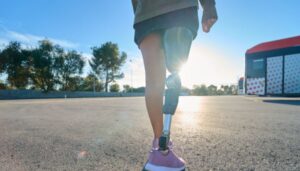
Different Types of Prosthetics
Different Types of Prosthetics: A Complete Beginner’s Guide Loss of limb or being born with limb differences can feel overwhelming.
What Is a Cranial Helmet
What Is a Cranial Helmet and When Does a Baby Need One? Hearing that your baby might need a cranial
Cranial Helmet for Flat Head Syndrome
Cranial Helmet for Flat Head Syndrome: Causes, Treatment & Outcomes Flat head syndrome is one of the most common concerns

Best Insoles for Shoes to Relieve Foot Pain
Best Insoles for Shoes to Relieve Foot Pain Foot pain is more than a daily annoyance. It can be a